Treat Shoulder Bursitis Today
And Increase Arm Mobility
What is shoulder bursitis?
Shoulder bursitis or subacromial bursitis refers to the inflammation of the subacromial bursa located at the tip of the shoulder (see Figure 1).
A bursa is a thin fluid filled sac that protects skin, muscle, and tendons associated with joints from friction caused by rubbing over the bones in that joint. When the bursa becomes inflamed, it can become filled with excess fluid, cause pain in the area, and impinge on joint movement. Bursae are present in many joints throughout the body but the bursae most likely to become irritated are in the shoulder, elbow, and knee.
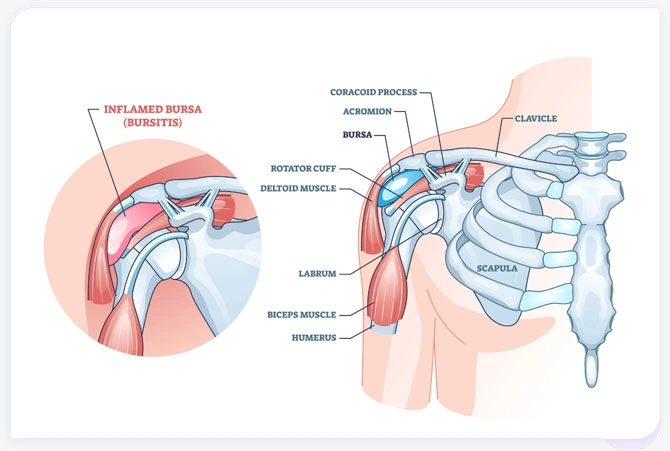
Figure 1. The shoulder joint (glenohumeral joint) is a ball and socket joint between the scapula (shoulder blade) and the humerus (upper arm bone between the shoulder and elbow). The subacromial bursa lies below the acromion (shoulder blade) and deltoid muscle and just above the muscles and tendons composing the rotator cuff. An inflamed bursa can put pressure on the joint tissues causing tenderness and pain.
Signs & Symptoms
What are the symptoms of shoulder bursitis?
Pain and discomfort on the end of the shoulder are the most common symptoms. Here are other common symptoms:
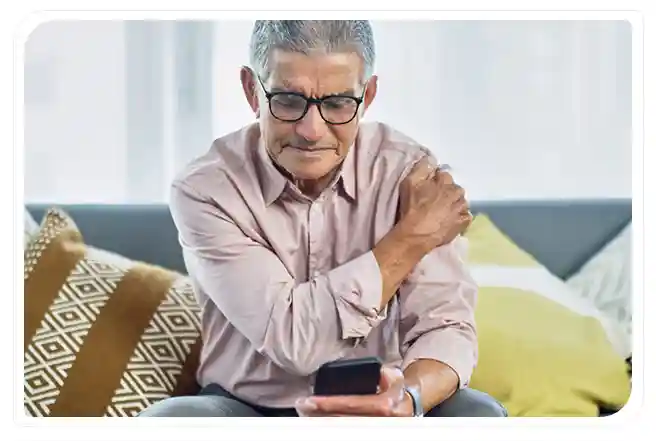
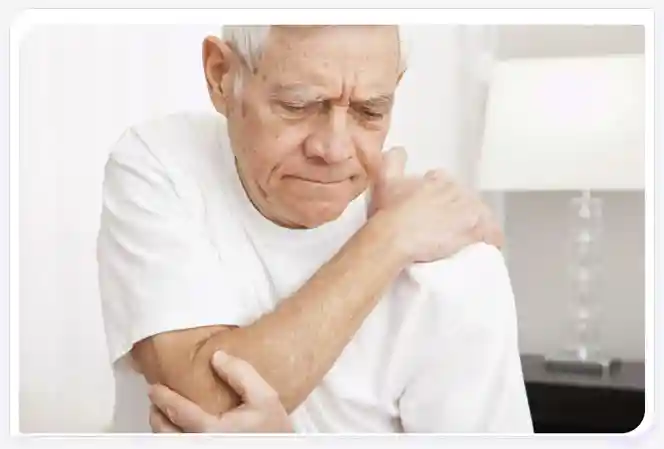
- Pain. Tenderness and pain are usually felt on the top or outside of the shoulder. The pain can be sharp and interfere with daily activities like bathing, getting dressed etc.
- Reduced range of movement. Due to pain and inflammation, individuals experience a reduced range of motion even if the shoulder is being rotated passively by a physician.
- Swelling and redness. The soft tissues surrounding the bursae can become irritated and swell, become fluid filled, or feel warm to the touch.
- Activity-related pain. Pain that worsens when extending arm to the side, pushing on objects, or circling your arm.
- Fever. Fever is possible if the fluid in the bursa becomes infected.
Causes and risk factors for shoulder bursitis
There are several causes and risk factors for shoulder bursitis:
Bone spurs. Osteophytes forming on the bottom of the acromion can irritate the subacromial or subdeltoid bursa.
Chronic bursitis. The most common type, caused by repetitive irritation of the bursa over time.
Predisposing conditions. Patients with diabetes, gout, rheumatoid arthritis, uremia and other condition may develop bursitis.
Infected bursitis. Bacterial infections of the bursa can be serious if not treated due to sepsis (infection spreading into the blood).
Traumatic bursitis. Usually experienced by athletes who experience acute trauma to the shoulder, or by repetitive rubbing against a hard surface.
Age. Advanced age increases the risk of bursitis.
Poor posture. Hunching or slouching of the shoulders can decrease the joint space irritating the bursa.
How is shoulder bursitis diagnosed?
Shoulder bursitis is diagnosed by our Specialists using a multipronged approach.
- Medical History: Our doctors will ask you about the nature of your shoulder pain (e.g., when and under what conditions you experience shoulder pain). They will ask about prior surgeries, accidents, and trauma to the shoulder.
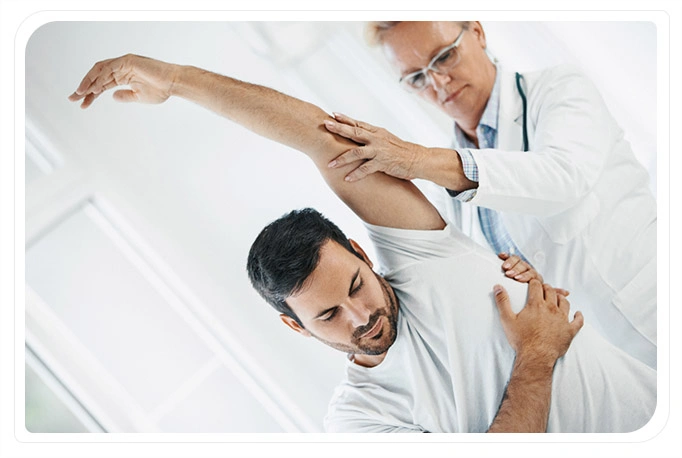
- Physical Exam: The doctor will examine the range of motion of the shoulder and assess your shoulder bursitis pain location.
- Imaging with X-Rays, MRI, or ultrasound: X-rays are used to rule out other causes of shoulder pain (e.g., osteoarthritis). A magnetic resonance imaging (MRI) scan or ultrasound may be used to confirm if the bursa is inflamed or contains excess fluid.
Treatment Options
How is shoulder bursitis treated?
The StemX clinic offers a range of customized Regenerative Medicine shoulder bursitis treatment solutions.
Wharton’s Jelly
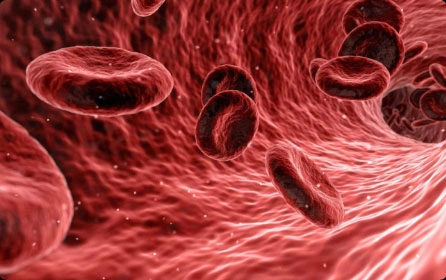
PRP
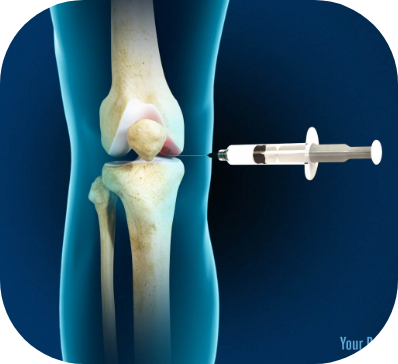
Hyaluronic Acid/
Prolotherapy
The StemX Approach
StemX is California’s leading provider of holistic and regenerative medicine services. Our experts don’t just offer popular treatments, but customized medical solutions based on individual needs.
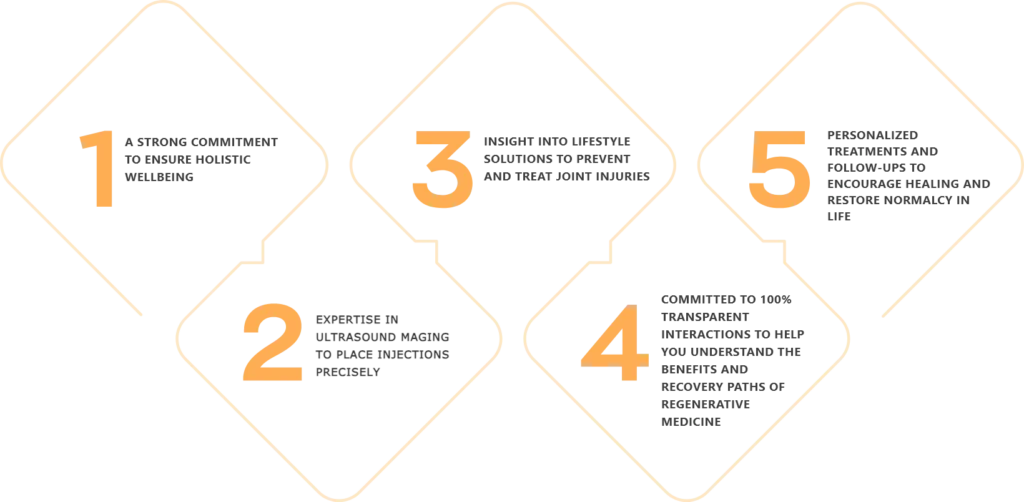
Located in Solana Beach, California, the StemX clinic is composed of a team of expert doctors with years of experience administering regenerative medicine treatments for joint disease. Our team has:
How To Get Started
Consultation:
Our California-based clinic intake team will match you to the appropriate provider with the expertise to treat your injury and schedule an exam.
Initial Exam:
Your doctor will take your medical history and facts surrounding your injury/complaint, conduct a physical exam, and order imaging tests (X-rays, MRI’s, etc.).
Treatment determination:
Use this space to add a short description. It gives enough info to earn a click.
Mark your calendar:
A date will be set for your procedure, and you will be given instructions on how to prepare for your appointment.
Treatment Procedure
While each treatment may be customized, you can expect your experience to be similar to the following: