
End Plantar Fasciitis Heel Pain
with Regenerative Medicine
What is Plantar Fasciitis?
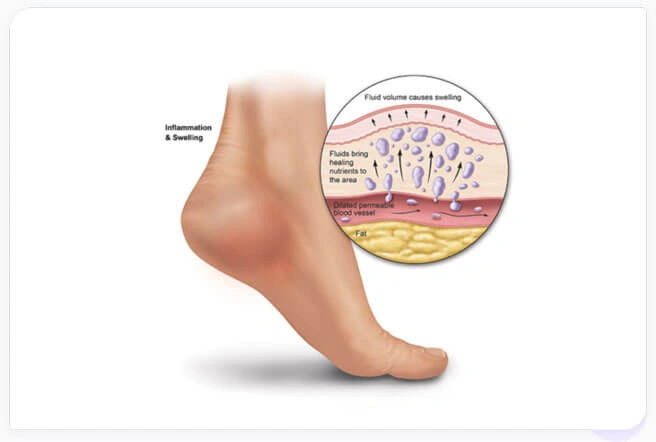
Plantar fasciitis is a degenerative condition of the plantar fascia, a thick band of collagenous fibers that connects the heel bone to the toes (See Figure 1).
The plantar fascia plays an important role in the normal biomechanics of the foot, providing arch support and shock absorption.

Plantar fasciitis heel pain is very common in the US with millions experiencing heel pain every year. The cause of plantar fasciitis is most often due to overuse stress. Plantar fasciitis pain is not easily treated with conventional methods, including surgery, and patient dissatisfaction is high.
Regenerative Medicine offers an alternative to conventional treatments, whereby the body is stimulated to heal itself without the side effects of steroids or the complications of surgery.
Figure 1: Depiction of pain resulting from damage to the plantar fascia. The plantar fascia provide support to the foot by connecting the heel to the toes. Heel pain is a major symptom of plantar fasciitis limiting mobility in some cases.
What are the symptoms of plantar fasciitis?
Plantar fasciitis is commonly experienced as a sharp pain at the heel. Many patients also have heel spurs that contribute to their pain.
Other common symptoms include:
- Pain that increases after exercise
- Chronic pain
- Swelling in the heel
- Pain traveling toward the toes
- Pain involving the arch of the foot
- Pain in the morning when you first get up or after inactivity

What are symptoms of ankle pain?
Plantar fasciitis is primarily an overuse or repetitive motion condition where the strain results in micro-tears of the fascia.Other causes and risk factors include:
- Trauma
- Foot structure abnormalities: flat feet (pes planus), high arches (pes cavus), and limited or excessive ankle mobility
- Obesity
- Aging
- Occupations requiring prolonged standing
- Running, jumping, dancing (e.g., ballet)
- Sex. Women are at higher risk.
- Wear high heels or shoes without arch support
How is Plantar Fasciitis diagnosed?
Our specialists diagnosis Plantar Fasciitis by using a multipronged approach:
Imaging with X-Rays or MRI: X-rays and magnetic resonance imaging (MRIs) are both used to determine if there are other causes of your foot pain including fractures, heel spurs, loss of fatty pad tissue under the heel etc.
Medical History: Our doctors will ask you about the nature of your foot pain (e.g., when and under what conditions you experience foot pain). They will ask about prior surgeries, accidents, and trauma to the foot, ankle, and leg.
Physical Exam: The doctor will examine the range of motion of the foot, look for swelling and muscle/tendon tightness.

Treatment Options
How is Plantar Fasciitis treated?
The StemX clinic offers a range of customized Regenerative Medicine solutions for Plantar Fasciitis treatment.
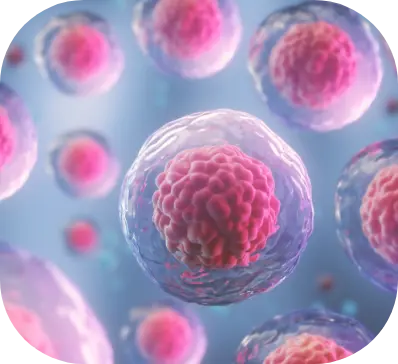
Wharton’s Jelly
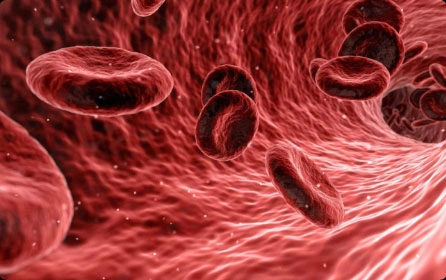
PRP
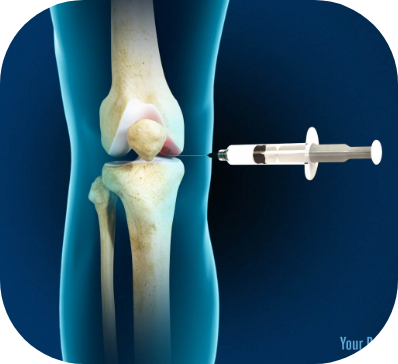
Hyaluronic Acid/
Prolotherapy
The StemX Approach
StemX is California’s leading provider of holistic and regenerative medicine services. Our experts don’t just offer popular treatments, but customized medical solutions based on individual needs.
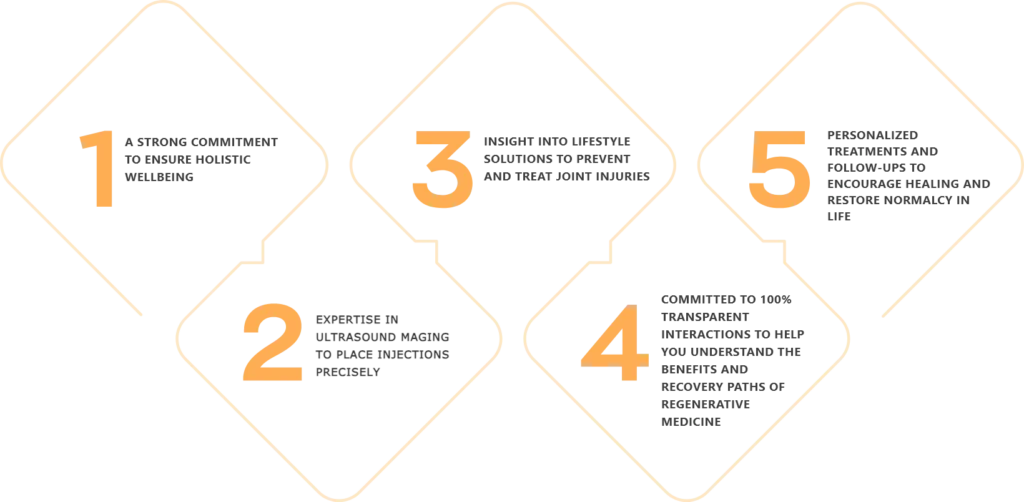
Located in Solana Beach, California, the StemX clinic is composed of a team of expert doctors with years of experience administering regenerative medicine treatments for joint disease. Our team has:
How To Get Started
Consultation:
Our California-based clinic intake team will match you to the appropriate provider with the expertise to treat your injury and schedule an exam.
Initial Exam:
Your doctor will take your medical history and facts surrounding your injury/complaint, conduct a physical exam, and order imaging tests (X-rays, MRI’s, etc.).
Treatment determination:
Use this space to add a short description. It gives enough info to earn a click.
Mark your calendar:
A date will be set for your procedure, and you will be given instructions on how to prepare for your appointment.
Treatment Procedure
While each treatment may be customized, you can expect your experience to be similar to the following: