Treat Hip Bursitis Naturally Without Steroids
What Is Hip Bursitis (Greater Trochanteric Bursitis)?
Bursae are fluid-filled sacs found at joints that help muscles, tendons, and ligaments move smoothly over bone. Hip bursitis is a condition where the bursae protecting the top of the femur in the hip joint become inflamed causing pain.
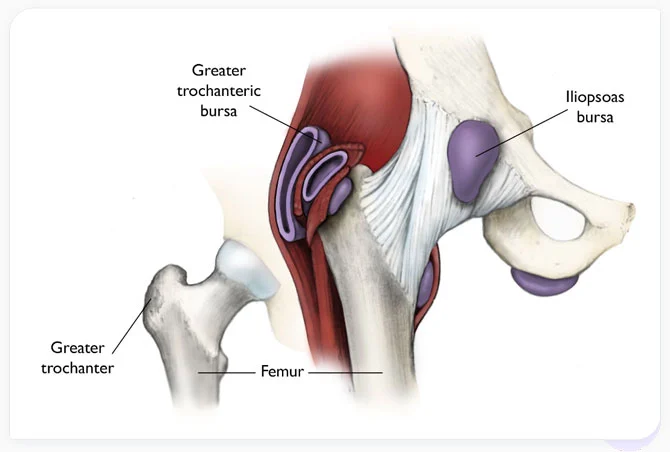
Figure 1. Bursae are small fluid-filled sacs that reduce friction between bone and surrounding soft tissue (e.g., tendons, ligaments, or muscle). Hip bursitis or greater trochanteric bursitis is the inflammation the bursae (shown in blue) in your hip at the top of the femur.
Causes, Signs And Symptoms
What causes hip bursitis?
The most common hip bursitis causes (trochanteric bursitis) are repetitive overuse and injury, although there are others risk factors. Causes and risk factors for hip bursitis pain include:
- Aging. Age-related wear and tear of the hip joint can cause chronic hip bursitis.
- Chronic diseases: Conditions including arthritis, gout, thyroid disease, tendonitis, and diabetes can increase the likelihood of developing hip bursitis.
- Sports or repetitive activities: Repetitive activities involving the hip can lead to more wear and tear. Athletes and those whose job activities require repetitive movements may suffer from hip bursitis.
- Infections: Infection of the bone or soft tissue surrounding the joint can spread to the bursae.

What are the symptoms of hip bursitis?
The most common symptom of trochanteric bursitis (hip bursitis) is pain in the lateral (outside) area of the hip extending to the outside of the thigh. The pain can be sharp and intense or a dull ache emanating from the whole thigh.Other hip bursitis symptoms may include:
- Joint pain and tenderness in the hip
- Hip swelling and warm feeling
- Pain that worsens at night after sleeping on the hip
- Pain when rising from a seated position
- Pain after prolonged squatting, walking, exercise, or climbing stairs
How are ACL/PCL andHow is hip bursitis diagnosed?
Patients are seen by our specialists in our California-based clinic. Diagnosing hip bursitis is completed using a multipronged approach:
- Medical History: Our doctors will ask you about the nature of your hip pain (e.g., when and under what conditions you experience hip pain). They will ask about activities, prior surgeries, accidents, and trauma to the hip etc.
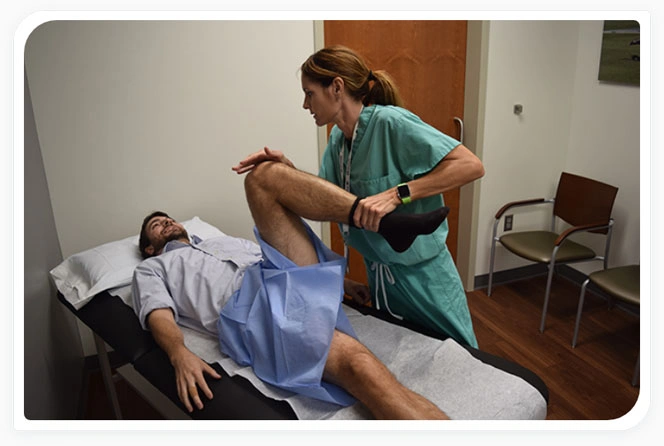
- Physical Exam: The doctor will check for signs of hip bursitis by testing the range of motion and listening for any cracking or popping noises (crepitus) or tenderness/pain, bruising, and swelling.
- X-rays/Magnetic resonance imaging (MRI): X-rays may be taken to rule out other conditions like hip osteoarthritis but cannot confirm hip bursitis alone. Sometimes an MRI will be required to confirm hip bursitis.
Treatment Options
How is hip bursitis treated?
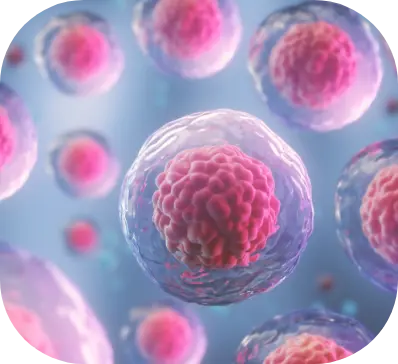
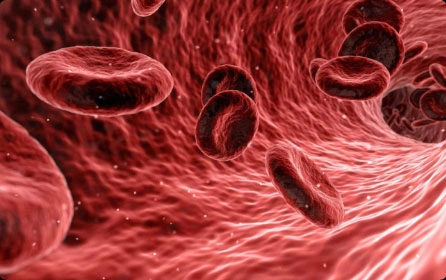
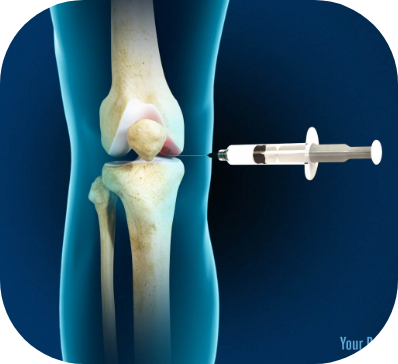
The StemX clinic offers a range of customized Regenerative Medicine treatments to treat orthopedic injuries including degenerative changes in hips.
Wharton’s Jelly
PRP
Hyaluronic Acid/
Prolotherapy
The StemX Approach
StemX is California’s leading provider of holistic and regenerative medicine services. Our experts don’t just offer popular treatments, but customized medical solutions based on individual needs.
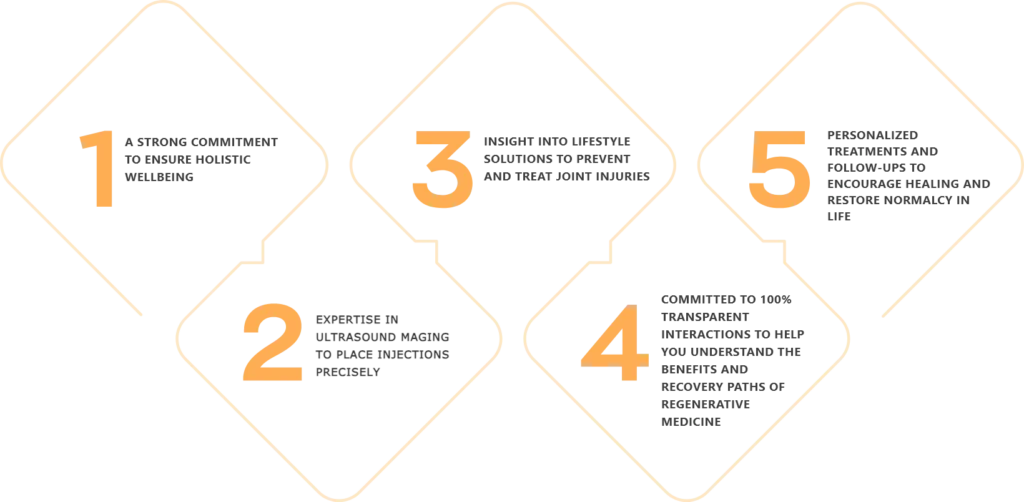
Located in Solana Beach, California, the StemX clinic is composed of a team of expert doctors with years of experience administering regenerative medicine treatments for joint disease. Our team has:
How To Get Started
Consultation:
Our California-based clinic intake team will match you to the appropriate provider with the expertise to treat your injury and schedule an exam.
Initial Exam:
Your doctor will take your medical history and facts surrounding your injury/complaint, conduct a physical exam, and order imaging tests (X-rays, MRI’s, etc.).
Treatment determination:
Use this space to add a short description. It gives enough info to earn a click.
Mark your calendar:
A date will be set for your procedure, and you will be given instructions on how to prepare for your appointment.
Treatment Procedure
While each treatment may be customized, you can expect your experience to be similar to the following: