
Overview of Tennis Elbow and Golfer’s Elbow
Overuse and repetitive contractions of the muscles and tendons of the forearm and elbow can put too much strain on the elbow tendons, causing maladaptations in tendon structure that lead to pain.
Tennis Elbow (Lateral Epicondylitis) and Golfer’s Elbow (Medial Epicondylitis) are two of the most common elbow-related injuries. While often confused, they affect different tendons in the elbow. Tendons are connective tissues made of strong collagenous fibers; however, they are not designed to stretch, making them vulnerable to injury.
Who is at risk?
-
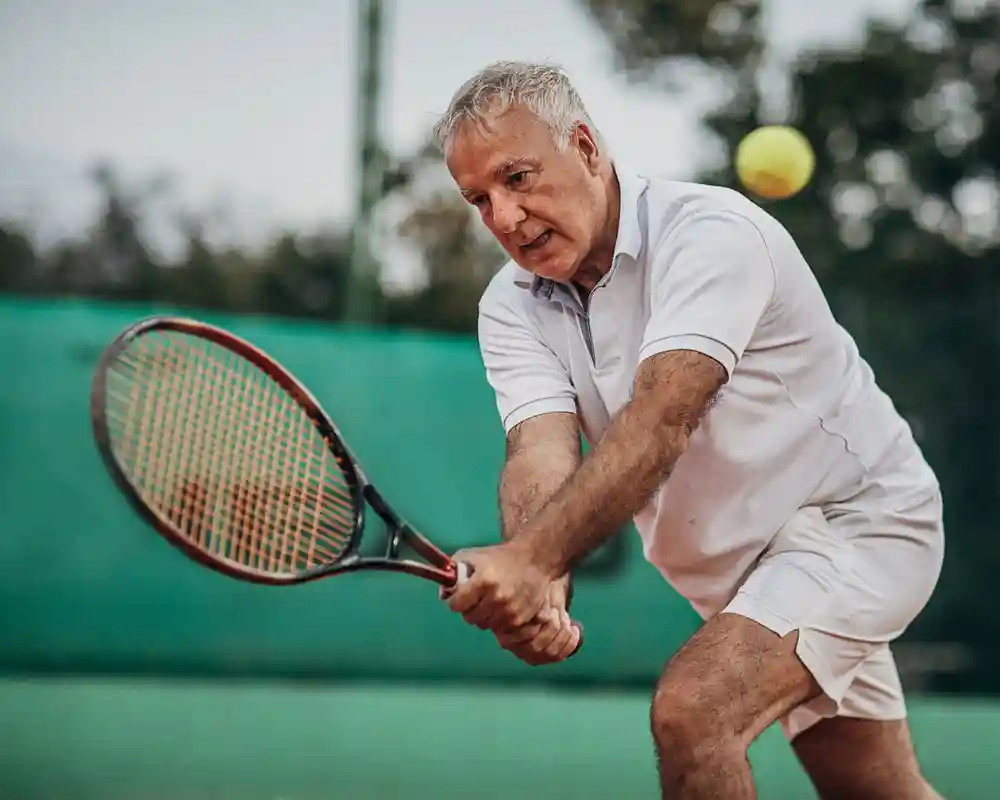
Tennis Elbow: Racquet sports, carpentry, painting, plumbing, cooking (cutting food), and repetitive computer mouse use. Up to 50% of recreational tennis players will develop this.
-
Golfer’s Elbow: Baseball pitchers, overhead throwing athletes, painters, and professions involving gripping/twisting (e.g., repetitive screwdriver use).
Overall, epicondylitis affects 1-3% of the population, predominantly in those aged 35-64. More than 90% of cases are not sports-related. Obesity and smoking are considered independent risk factors.
Symptoms
In both cases, the following may occur:
-
Pain and tenderness radiating into the forearm and wrist.
-
Weakness in the hands and wrists.
-
Stiffness in the elbow.
-
Numbness or tingling radiating into the fingers.
Pathophysiology
The elbow joint consists of the humerus, radius, and ulna. The lateral epicondyle (outside) is the origin for extensor muscles (Tennis Elbow), while the medial epicondyle (inside) is the origin for flexor muscles (Golfer’s Elbow).
Repetitive loading results in microtears, decreased blood flow, and damage to collagen fibers. This lead to tendinosis, which involves remodeling of collagen, tissue death (necrosis), and calcification, ultimately weakening the tendon and forming scar tissue.
Conventional Treatments
Early attention is vital to prevent serious disorders. Standard steps include:
-
Rest and activity modification.
-
Correction of technique, posture, and form.
-
NSAIDs (oral or topical) to reduce inflammation.
-
Physical therapy and strengthening exercises.
-
Corticosteroid (cortisone) injections (noting potential side effects).
Surgical Intervention
If conventional remedies fail after 6-12 months, surgery may be considered. Surgery requires 6-12 weeks of downtime and up to 6 months before resuming sports. Potential complications include infection, nerve damage, and reduced flexibility.
Regenerative Medicine Treatments
Advanced regenerative medicine offers non-surgical alternatives with little to no downtime and all-natural biological components.
Growth Factor Injections
These stimulate resident cells to regenerate damaged tissue, lower pain, and reduce inflammation. Clinical studies show that amniotic protein fluid can restore normal architecture of the tendon by stimulating the synthesis of matrix proteins like type 1 collagen and hyaluronic acid.
Platelet Rich Plasma (PRP)
PRP involves concentrating a patient’s own platelets using a centrifuge. These platelets secrete growth factors that promote healing and pain relief.
-
Efficacy: Research demonstrates that PRP provides significantly better long-term pain relief (at 1 and 2 years post-treatment) compared to corticosteroid injections, which often only provide short-term relief.
About StemX
StemX provides advanced regenerative medicine for orthopedic, joint, and tendon injuries. Our team enables patients to resolve chronic pain and increase mobility without the need for surgery.
Location: 124 Lomas Santa Fe Dr., #206, Solana Beach, CA 92075
Phone: 858-228-4189