
Introduction: What is Regenerative Medicine?
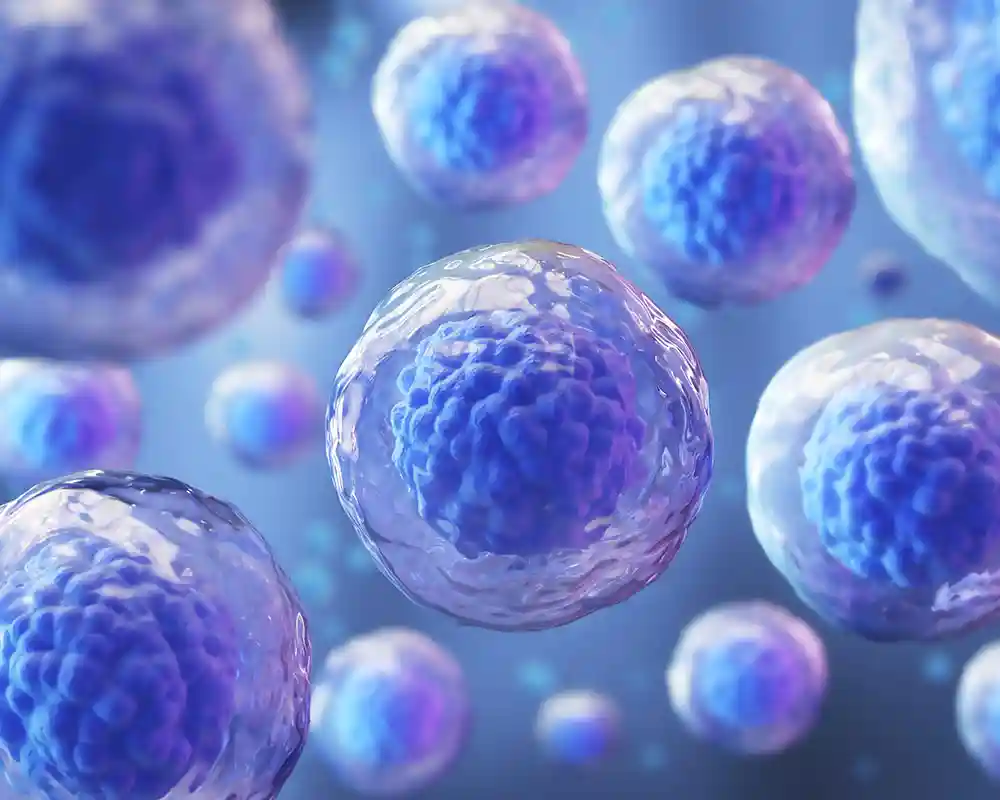
Regenerative medicine (RM) is an exciting branch of medicine that develops methods to regrow, repair, or replace damaged or diseased cells, organs, or tissues. It includes the generation and use of therapeutic stem cells, tissue engineering, and the production of artificial organs.
Stem cells are the “master cells” of the body, capable of differentiating into specialized cell types (like skin, liver, or heart cells). Once differentiated, they produce growth factors and proteins that signal the body to heal damaged tissues. Today, these cells can be safely isolated from adult tissues or donors, avoiding the ethical dilemmas associated with embryonic cells.
FAQ’s Regarding RM and Stem Cells
1. Why are doctors and scientists so excited about RM?
Simply put, stem cells are a safe, natural, and effective treatment already at work in your body. They have the potential to treat diseases with no known cure, lower the cost of long-term medications, speed up surgical recovery, and eventually make organ donor waiting lists a thing of the past through tissue engineering.
2. Why should I consider stem cell therapy rather than surgery?
Because stem cells can repair damaged tissue, they may resolve issues that previously required surgery. These therapies typically involve minimal downtime and significantly less pain than surgical interventions.
3. Will stem cell treatments regrow damaged tissue?
The goal is to stimulate regrowth. Stem cells secrete growth factors and cytokines that act as chemical signals to trigger the body’s natural healing response and the growth of new tissue.
4. How can I still benefit if my tissue growth is only mild or doesn’t occur?
Even without significant regrowth, RM therapy can decrease inflammatory cytokines, inhibit the enzymatic destruction of cartilage (in cases like osteoarthritis), and promote the production of healthy joint fluid.
5. How do regenerative medicine treatments compare to steroid treatments?
Steroids like cortisone are synthetic drugs that can actually damage cartilage over time and are only safe to use a few times a year. RM treatments use natural biological agents already found in your body and do not have the degenerative side effects of steroids.
6. Are these treatments legal?
Yes. Stem cell treatments derived from products like Wharton’s Jelly are legal and regulated by the FDA.
7. What injuries is regenerative medicine used to treat?
It is routinely used for orthopedic conditions, sports injuries, and musculoskeletal issues involving joints, tendons, and ligaments.
8. Does my age matter?
Yes. As we age, we produce fewer stem cells. Younger patients may see great results from Platelet-Rich Plasma (PRP), while older patients may benefit more from potent stimulatory sources like Wharton’s Jelly.
9. Does the procedure hurt?
Most therapies involve simple injections. Local anesthetics are typically enough to ease any soreness. There is little to no downtime.
10. I have already had years of injections that didn’t work. How is this different?
Standard injections often just provide temporary lubrication or cushioning. RM treatments are designed to actually stimulate a biological healing process for longer-lasting results.
11. Why is Wharton’s Jelly a good source?
The umbilical cord contains the highest concentration of stem cells and growth factors in human tissue. Donated cords are used to harvest this jelly for therapeutic use.
12. What are the types of Regenerative Medicine?
RM includes prolotherapy, PRP (platelet-rich plasma), Wharton’s Jelly, growth factors, hyaluronic acid, and stem cell therapies.
13. What is the success rate?
Success depends on age, disease severity, activity levels, and adherence to rehabilitation programs.
14. How much does it cost?
The average cost varies between $3000 to $5000, depending on the size of the joint being treated.
15. When would you use PRP versus BMAC?
PRP is generally for younger patients with mild arthritis. BMAC (Bone Marrow Aspirate Concentrate) is better suited for older patients, severe arthritis, or complex tears in tendons and rotator cuffs.
16. How quickly can I get back to my routine?
Day-to-day activities can usually resume within days, though strenuous activity may require a month or longer.
17. If Regenerative Medicine fails, is surgery still an option?
Yes. RM does not impact your ability to receive surgery later if it becomes necessary.
18. Can I drive myself home?
It is generally recommended to have someone else drive you, especially if the treated joint needs to be immobilized temporarily.
If you have further questions, please call the StemX team at 888-238-2468.