
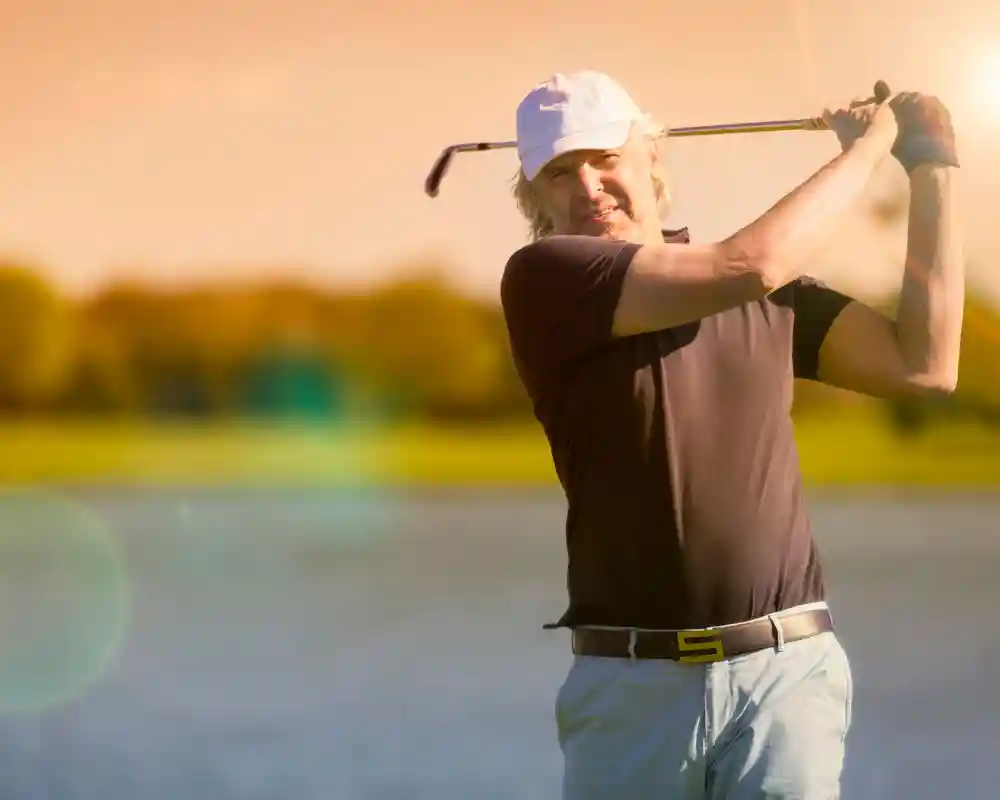
Whether sports are a means of income or just a way to keep in shape, remaining injury-free is a top priority for professional athletes and enthusiasts alike. Engaging in sports and high-impact activities is associated with an increased risk of orthopedic injuries that are notoriously painful and require long periods to heal.
Today, sports medicine doctors use regenerative treatments to treat a wide variety of sports injuries, including damage to tendons, ligaments, muscles, and cartilage.
Regenerative Medicine and Professional Athletes
Professional athletes are increasingly turning to regenerative medicine and alternative treatments to get back on the field, course, or court. Previously, many opted directly for surgery, but now more are seeking regenerative medicine to speed repair and relieve pain. Notable examples include:
-
Alex Rodriguez: Received platelet-rich plasma (PRP) injections into the knee and shoulder.
-
Kobe Bryant: Sought stem-cell treatment for degeneration of his knees.
-
Tiger Woods: Received PRP treatments for an ACL and Achilles tendon injury.
-
Jack Nicklaus: Received stem cell therapy on his shoulder after steroid injections failed.
-
Rafael Nadal: Has received PRP treatments on his knee.
Joint Structures Commonly Associated with Sports Injuries
Sports-related injuries often involve specific joint structures and can lead to the development of osteoarthritis—a degenerative condition caused by trauma or repetitive use that leads to loss of joint space and severe pain.
-
Articular cartilage: Covers the bone surface at a joint to provide a smooth, low-friction surface for movement and transmission of mechanical loads.
-
Meniscus: A C-shaped piece of tough cartilage that acts as a shock absorber. Meniscus tears are common in contact sports like football and basketball.
-
Labrum: A cup-shaped rim of cartilage that lines the shoulder socket. Tears can result from direct blows, falls, or overuse in throwing sports.
-
Ligaments: Interwoven collagen fibers that support and limit joint movement. An overstretched ligament is a sprain.
-
Tendons: Connect muscles to bones. Tendon injuries (strains) are usually caused by overuse in running, jumping, or gripping sports.
How Regenerative Medicine Treats Sports Injuries
The field of regenerative medicine has revolutionized the treatment of sports-related bone and joint injuries. Three primary treatments show clinical efficacy:
-
Amniotic Membrane Allograft Injections: Uses biological tissues to support repair.
-
Growth Factor Injections: Naturally occurring proteins that stimulate cell proliferation and wound healing to kickstart tissue repair.
-
Platelet Rich Plasma (PRP) Injections: Created by processing the patient’s own blood in a high-speed centrifuge to concentrate platelets. These platelets secrete growth factors that promote healing and pain relief.
PRP is particularly effective in healing severe labral and meniscal tears, chronic osteoarthritis of the knee, and avascular necrosis of the hip.
About StemX Group
StemX offers stem cell and regenerative medicine services for orthopedic, joint, muscle, and tendon injuries. Our staff provides natural, non-surgical therapy to repair and rebuild joints and cartilage in the knees, shoulders, ankles, hips, backs, and necks.
Location: 124 Lomas Santa Fe Drive Suite 206, Solana Beach, CA 92075
Phone: (858) 228-4189