
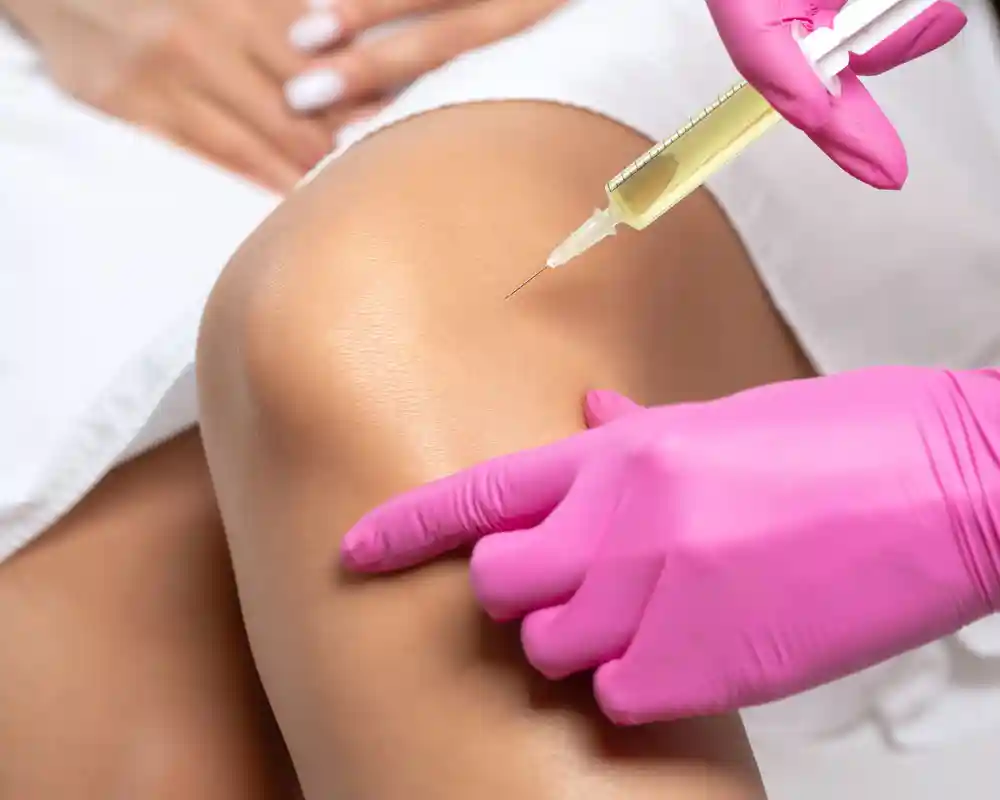
Conventional treatments for joint pain often end up with long-term administration of cortisone shots, a powerful corticosteroid. Extended use of cortisone can have significant side effects forcing many to look for other alternatives.
Regenerative medicine advanced therapy is rapidly becoming a popular alternative in that they make use of stem cells and natural proteins called growth factors to accelerate healing while avoiding the side effects of cortisone and other drug therapies.
This article will provide a brief overview of Regenerative Medicine treatments for osteoarthritis and other joint injuries and examine data that compares cortisone to regenerative medicine treatments.
Conventional Drug Treatments for Orthopaedic Injuries and Osteoarthritis
Osteoarthritis (OA) is a progressive, chronic, degenerative disease that is characterized by varying degrees of joint cartilage loss with local inflammation. The progression of cartilage wear and tear manifests with pain, stiffness, swelling, decreased joint range of motion, and significantly decreases the quality of life.
Traditionally, doctors treat these symptoms with:
-
Painkillers and NSAIDs (e.g., Advil, Aleve)
-
Counterirritants (e.g., menthol creams)
-
Biologics for systemic diseases
-
Corticosteroids (e.g., cortisone, prednisone)
Many find that NSAIDs and painkillers are insufficient to relieve swelling and pain and therefore turn to cortisone shots to treat their joint pain.
Cortisone Shots and Side Effects
Cortisol is the primary stress hormone in your body. It increases glucose release and availability of biomolecules that repair tissues. Cortisone is a man-made synthetic version of cortisol. When injected locally into joints, it provides short-term pain relief by inhibiting inflammatory cytokines.
However, due to the possibility of experiencing side effects, only 3-4 injections can be given per year. Potential side effects include:
-
Cartilage damage and tendon weakening or rupture
-
Death of nearby bone (osteonecrosis)
-
Joint infection or nerve damage
-
Thinning of nearby bone (osteoporosis)
-
Temporary increase in blood sugar and facial flushing
Regenerative Medicine Alternatives
Regenerative medicine focuses on stimulating your body to heal itself rather than just masking the pain.
-
Amniotic Growth Factors: Proteins derived from amniotic fluid that stimulate new cell growth. These contain 4-8x more growth factors than PRP.
-
Platelet-Rich Plasma (PRP): Derived from the patient’s own blood. Platelets are concentrated and reinjected to promote the growth of stem cells in damaged tissue.
-
Prolotherapy: A dextrose solution is injected to cause mild local inflammation, which recruits repair cells to the area.
Clinical Studies: Cortisone vs. Regenerative Medicine
-
2018 Study (GÜVENDİ et al.): Compared cortisone to PRP for Grade 3 knee OA. While cortisone decreased pain at 2 months, the effects vanished by 6 months. In contrast, PRP groups showed significant, sustained relief at both the 2-month and 6-month marks.
-
2020 Study (Journal of Orthopedic Surgery and Research): Observed forty patients for one year. Cortisone patients saw pain relief for only 5 weeks, with pain returning by week 15. The PRP group reported pain relief for up to 12 months following the final injection.
Conclusion
Advanced Regenerative Medicine treatments like PRP and Amniotic Growth Factors provide safe, effective, and longer-lasting alternatives to conventional drug therapies. By exploring these options, patients can address the root cause of their joint damage without the degenerative risks associated with long-term steroid use.
About StemX Group
Located in Solana Beach, CA, StemX is at the forefront of alternative medicine for acute and chronic orthopedic conditions. Our team is committed to helping you increase mobility without the need for surgery.