Degenerative Disc Disease Pain Relief Without Steroids or Invasive Surgery
What is Degenerative Disc Disease?
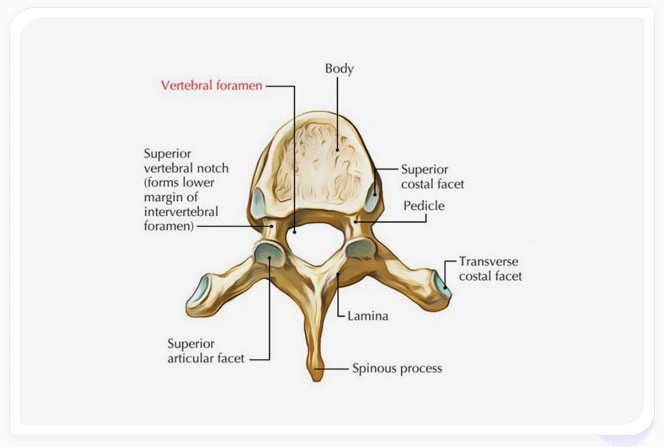
Degenerative Disc Disease involves the breakdown of the fibrocartilage discs located between each vertebra in the spine and can be a very painful condition (See Figure 1).
Discs are made largely of collagen and act as shock absorbers, keeping adjacent vertebrae from touching during activity.
Degenerative disc disease involves a decrease in the space between adjacent vertebra as the discs dry out, crack, or shrink as we age.
Slipped discs and bulging discs refer to herniated discs that protrude out from between the vertebrae putting pressure on nerve roots and the spinal cord, causing significant pain.Figure 1. Illustration of vertebral column. Fibrous discs separate vertebra in the spine absorbing impacts of movement. Damaged discs place pressure on nerves innervating limbs or the spinal cord causing significant pain. Regenerative Medicine treatments can ease the inflammation and damage to these structures without the side effects of steroids.
Causes, Signs And Symptoms
What are Symptoms of Degenerative Disc Disease?
The back pain experienced can vary depending on which discs are affected (e.g., lumbar disc disease vs. cervical disc disease).Common symptoms include disc degeneration include:
- Pain localized to the damaged disc
- Weakness or numbness in arms/legs
- Chronic pain in the neck or back ranging from dull to sharp
- Pinched nerves can lead to muscle weakness or difficulty in walking
- Possible loss of bladder/bowel control
- Decreased range of motion of neck and back


What causes Degenerative Disc Disease and disc pain?
Causes and risk factors for degenerative disc disease and disc pain include:
- Age. 90% of those older than 60 yrs old have disc degeneration, this is normal with aging.
- Previous injury to the neck/spine
- High job demands
- Poor computer workstation design
- Poor posture/poor sleep posture
- Repetitive activities. Athletes like gymnasts more at risk, or other occupations with repetitive neck/back movements.
- Trauma Acute traumas due to accidents injured vertebral discs.
- Obesity. Overweight people more likely to develop degenerative disc disease.
- Sedentary lifestyle. Inactivity and weak core muscles can strain the lower back and discs.
- Smoking Toxins from cigarette smoke can promote the drying out of discs.
How is Degenerative Disc Disease diagnosed?
Our specialists diagnose Degenerative Disc Disease by using a multipronged approach:
- Medical History: Our doctors will ask you about the nature of your back pain (e.g., when and under what conditions you experience back or disc pain). They will ask about prior surgeries, accidents, and trauma to the neck or back.
- Physical Exam: The doctor will test for disc degeneration by examining the range of motion of the neck/back, look for swelling, listen for any cracking or popping noises (crepitus), and test for muscle weakness.
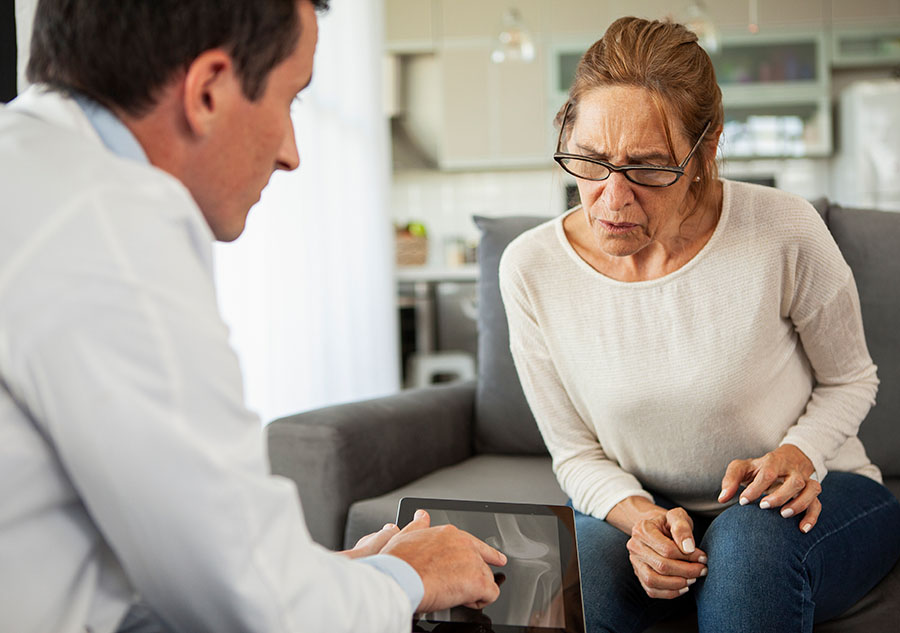
- X-rays/Magnetic resonance imaging (MRI): X-rays and magnetic resonance imaging (MRIs) are both used to determine if there is damage to discs in the spine and surrounding tissues.
Treatment Options
How does StemX treat degenerative issues associated with Degenerative Disc Disease?
The StemX clinic offers a range of customized Regenerative Medicine solutions for issues associated with Degenerative Disc disease.
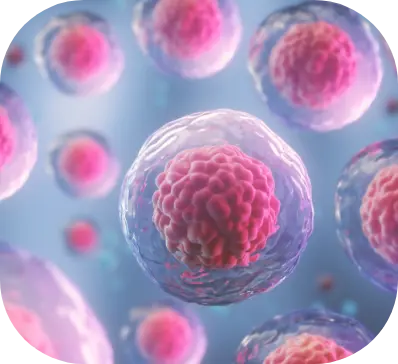
Wharton’s Jelly
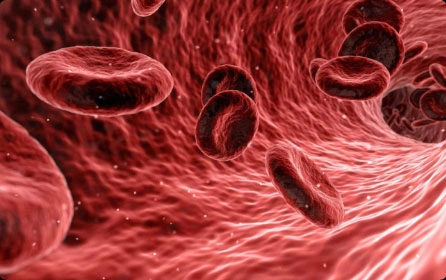
PRP
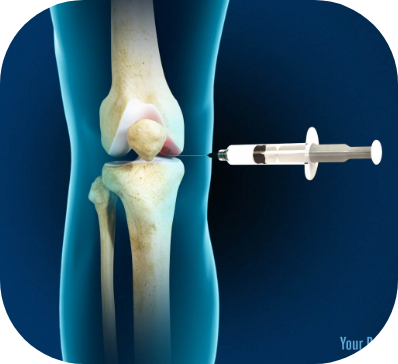
Hyaluronic Acid/
Prolotherapy
The StemX Approach
StemX is California’s leading provider of holistic and regenerative medicine services. Our experts don’t just offer popular treatments, but customized medical solutions based on individual needs.
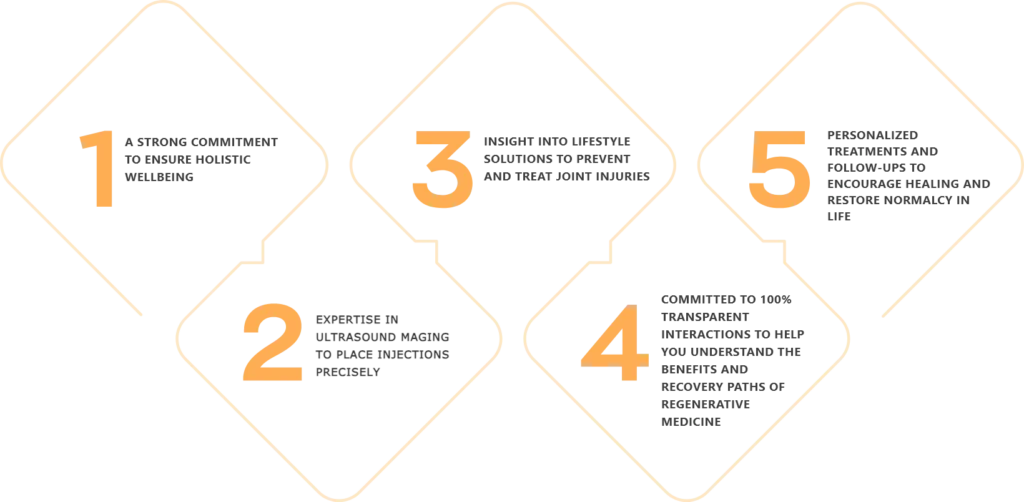
Located in Solana Beach, California, the StemX clinic is composed of a team of expert doctors with years of experience administering regenerative medicine treatments for joint disease. Our team has:
How To Get Started
Consultation:
Our California-based clinic intake team will match you to the appropriate provider with the expertise to treat your injury and schedule an exam.
Initial Exam:
Your doctor will take your medical history and facts surrounding your injury/complaint, conduct a physical exam, and order imaging tests (X-rays, MRI’s, etc.).
Treatment determination:
Use this space to add a short description. It gives enough info to earn a click.
Mark your calendar:
A date will be set for your procedure, and you will be given instructions on how to prepare for your appointment.
Treatment Procedure
While each treatment may be customized, you can expect your experience to be similar to the following: