CONDITIONS

Regenerative Medicine
for Meniscus Tears

Treat Torn Meniscus
Without Surgery

Causes, Signs And Symptoms

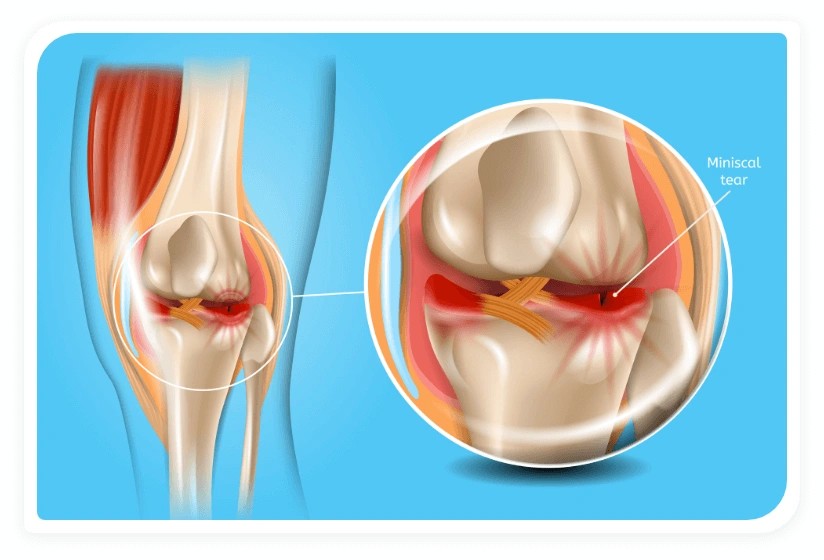
What are the causes of knee meniscus tears?

The meniscus in the knee can tear when the knee is violently or forcefully twisted while bearing weight. This is often the case for athletes. However, deep squatting or heavy lifting can also lead to a tear.What are the symptoms of knee meniscus tears?

Upon tearing the meniscus, most people can still walk on their injured knee and many athletes are able to keep playing with a tear. However, the knee will become stiffer and more swollen. The most common symptoms of a meniscus tear are:

  • Pain increasing with severity of the tear, can dissipate but return with overuse
  • Stiffness and swelling
  • Catching, popping, or locking of the knee (especially with severe tears)
  • The sensation of instability in the knee, “giving way” or feeling “wobbly”
  • Inability to move the knee through its full range of motion

What are the risk factors for knee meniscus tears?

Intense activity (sports) and age seem to increase the likelihood of a meniscus tear but there are other factors as well:
  • Age. Those 55-60 years and older are at increased risk of tears due to wear and tear.
  • Sex. Males are at increased risk because they participate in risky activities at higher rates.
  • Weight. Obesity or being overweight
  • Occupation. Work-related kneeling, squatting, and climbing stairs
  • Sports. Certain sports like soccer, rugby, football, tennis, and basketball that involve landing on the knee or making sudden pivoting turns
  • Comorbid joint injuries. Not repairing injuries to ligaments in the knee increase the risk of meniscal tears

How is a torn meniscus diagnosed?

Our specialists diagnose a torn meniscus using a multipronged approach:

  • Medical History: Our doctors will ask you about the nature of your knee pain (e.g., when and under what conditions you experience knee pain).
  • They will ask about prior surgeries, accidents, and trauma to the knee.
  • Physical Exam: The doctor will assess your knee function by testing the range of motion, pain when kneeing, listen for any cracking or popping noises (crepitus).
  • Imaging with X-Rays or MRI: X-rays can rule out other knee problems but a magnetic resonance imaging (MRI) scan may be needed to detect any tears.

How are knee meniscus tears treated?
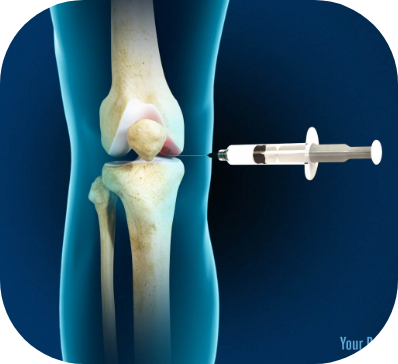
The StemX clinic offers a range of customized Regenerative Medicine treatments to treat orthopedic injuries.
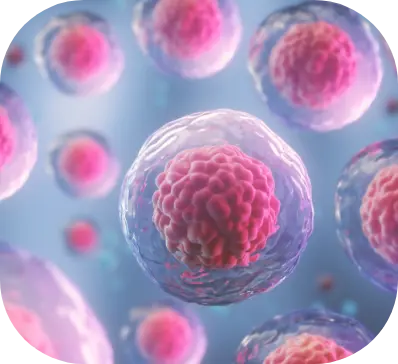
Wharton’s Jelly
Hyaluronic Acid/
Prolotherapy

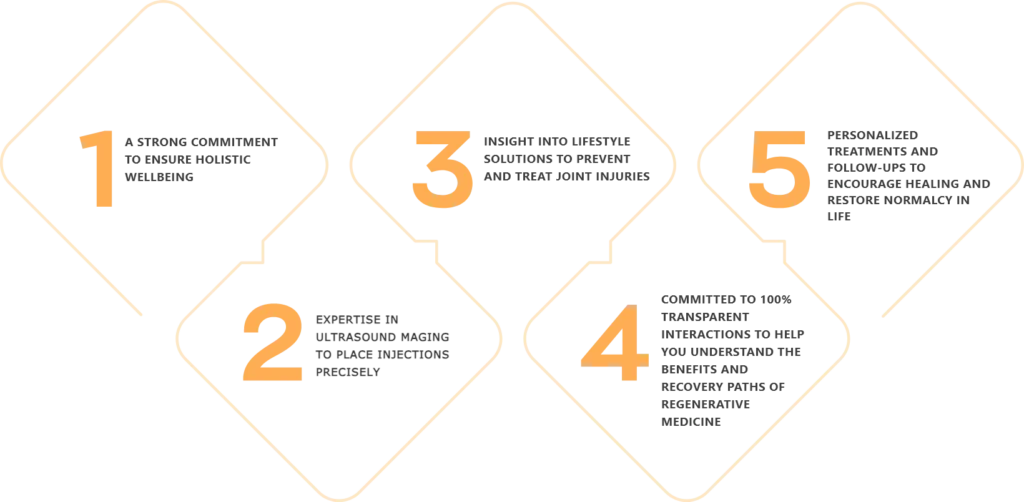
The StemX Approach

How To Get Started

Consultation:

Our California-based clinic intake team will match you to the appropriate provider with the expertise to treat your injury and schedule an exam.

Initial Exam:

Your doctor will take your medical history and facts surrounding your injury/complaint, conduct a physical exam, and order imaging tests (X-rays, MRI’s, etc.).

Treatment determination:

Use this space to add a short description. It gives enough info to earn a click.

Mark your calendar:

A date will be set for your procedure, and you will be given instructions on how to prepare for your appointment.

Treatment Procedure

Frequently Asked Questions

Some meniscus tears are stable tears or located on a vascularized portion of the cartilage. These tears have the best chance of healing especially with regenerative medicine therapy. More serious tears will not heal on their own.

A torn meniscus can take from 4-8 weeks to heal depending on the location and severity of the tear. Regenerative medicine and strength building exercises and accelerate healing time significantly.

An untreated meniscus tear can become larger and get wedged into the joint. This can cause significant pain and loss of function or lead to osteoarthritis of the knee and require surgery to repair.

Pain from a torn meniscus usually presents on the inner (medial) or lateral (outer) side of the knee. An effective torn meniscus treatment, like Wharton’s Jelly or amniotic fluid allografts, can reduce this pain by stimulating healing.

PRP can work as a torn meniscus treatment. More effective treatments for torn meniscus are Wharton’s Jelly and amniotic fluid injections containing high levels of growth factors that promote healing in areas with poor blood circulation..

A steroid injection is not an ideal treatment for a torn meniscus. They do help alleviate pain but have significant side effects and cannot be used very often.

Most data shows that PRP injections last up to 9 months but this can vary by person and with injury severity. More effective regenerative medicine treatments (Wharton’s Jelly, amniotic fluid allografts) may last significantly longer.


If the meniscus is missing stem cells cannot regrow it. However, treatments that promote stem cell growth and proliferation can help to heal meniscus tears.

Scroll to Top