Heal Rotator Cuff Tears
Without Surgery
What is a rotator cuff tear?
Rotator cuff tears are usually partial tears in the muscles or tendons that support the shoulder joint where the humerus fits into its socket in the shoulder blade (the glenohumeral joint).
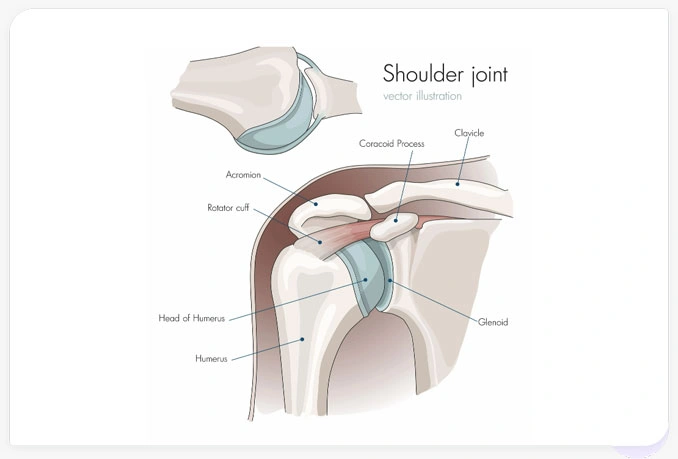
The arm’s position in the shoulder socket is maintained by the rotator cuff which is a group of four muscles connected to the head of the humerus by tendons. The rotator cuff allows the arm to be raised and rotated (see Figure 1).
When a tendon in the rotator cuff tears (usually the supraspinatus tendon), it peels away from the head of the humerus. Full thickness tears involve the complete detachment of the tendon from the shoulder and require surgery to fix, whereas partial tears can usually be treated non-surgically with regenerative medicine and other supportive therapies.
Rotator cuff tears and rotator cuff tendonitis are very common injuries with up to 3 million people reporting injury every year.
Figure 1. The shoulder joint (glenohumeral joint) is a ball and socket joint between the scapula (shoulder blade) and the humerus (upper arm bone between the shoulder and elbow). The glenoid is the portion of the scapula that forms the shoulder joint with the humerus. The rotator cuff acts to stabilize the shoulder and allow for its extensive range of motion. Shown is a partial tear of the rotator cuff.
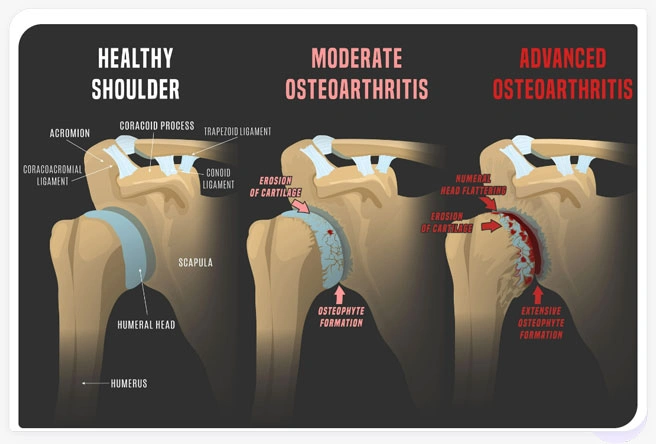
The rotator cuff lies the acromion bursa which protects the muscles and tendons from rubbing against the underlying bones. Damage to the rotator cuff can cause bursitis or inflammation of the bursa. This in turn can place more stress on the shoulder joint and can lead to osteoarthritis if the cartilage becomes damaged (see Figure 2).
Figure 2. Osteoarthritis (OA) of the shoulder joint. Damage to joint tissue including rotator cuff tears can lead to the development of osteoarthritis because of joint instability. As OA progresses, the articular cartilage erodes and osteophyte formation increases. Degeneration of the joint causes significant pain, stiffness, and loss of function.
Causes, Signs & Symptoms of Rotator Cuff Tears

What are the symptoms of rotator cuff tears?
A dull deep ache in the shoulder is a common rotator cuff tear symptom.
Other torn rotator cuff tear symptoms include:
Weakness. Loss of shoulder strength and difficulty lifting objects.
Shoulder pain. Tears caused by trauma may cause intense shoulder pain and arm weakness. With degenerative tears, mild pain may worsen over time and at night, painful especially when doing overhead activities.
Crepitus. Feeling or hearing a crunching or popping sound when rotating the shoulder.
Causes And Risk Factors for Rotator Cuff Tears
What causes rotator cuff tears?
As with many joint injuries, the biggest cause or risk factor for rotator cuff tears or rotator cuff pain is repetitive use and wear and tear leading to degeneration of the tendons.Others causes and risk factors include:
Smoking.
Repetitive overhead activities. Throwing, swimming, swinging a racket etc.
Extended periods of heaving lifting.
Acute trauma.
Falls and other accidents. Broken collar bones or dislocated shoulder can damage the rotator cuff.
Bone spurs. Rubbing of bone spurs against the tendon can cause it to fray or tear.
Age. In addition to wear and tear over time, decrease blood flow to the rotator cuff can be detrimental to tendon health.
Poor posture.
Past injuries. Prior injuries increase the risk of suffering future injuries.
Shoulder instability. Weakened shoulder muscles, tendons (e.g., a ruptured bicep tendon), and ligaments increase the risk for joint dislocation and shoulder impingement.


How is a rotator cuff tear diagnosed?
Rotator cuff tears are diagnosed by our Specialists using a multipronged approach.
Imaging with X-Rays, MRI, or ultrasound: X-rays are used to check for shoulder pain due to osteoarthritis or bone spurs. A magnetic resonance imaging (MRI) scan may be used to determine if a tendon in the rotator cuff is torn.
Medical History: Our doctors will ask you about the nature of your shoulder pain (e.g., when and under what conditions you experience shoulder pain). They will ask about prior surgeries, accidents, and trauma to the shoulder.
Physical Exam: The doctor will examine the shoulder and may perform a rotator cuff injury test (e.g., Drop Arm Sign, Lateral Jobe Test, Lift Off Test) to isolate the rotator cuff pain location.
Treatment Options
How is a rotator cuff tear treated?
The StemX clinic offers a range of customized Regenerative Medicine solutions for rotator cuff tears.
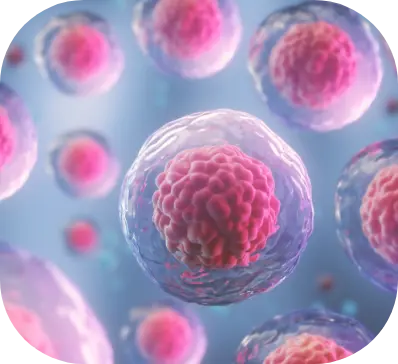
Wharton’s Jelly
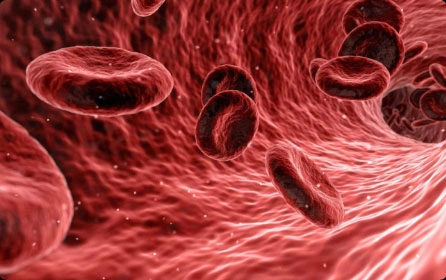
PRP
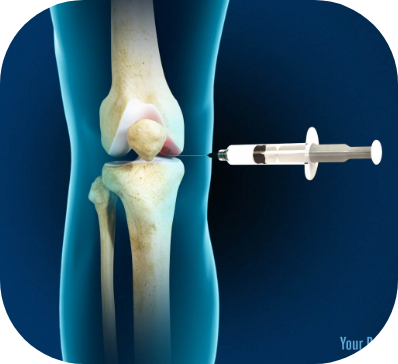
Hyaluronic Acid/
Prolotherapy
The StemX Approach
StemX is California’s leading provider of holistic and regenerative medicine services. Our experts don’t just offer popular treatments, but customized medical solutions based on individual needs.
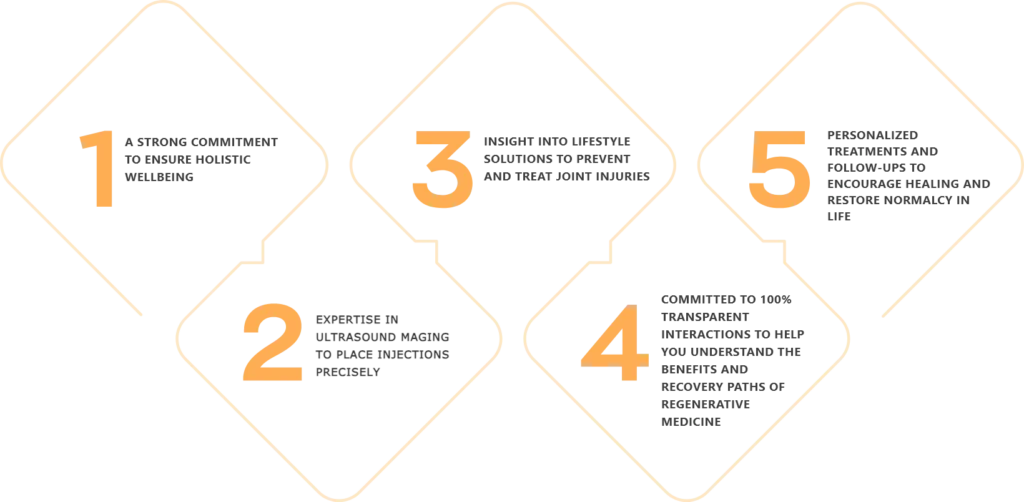
Located in Solana Beach, California, the StemX clinic is composed of a team of expert doctors with years of experience administering regenerative medicine treatments for joint disease. Our team has:
How To Get Started
Consultation:
Our California-based clinic intake team will match you to the appropriate provider with the expertise to treat your injury and schedule an exam.
Initial Exam:
Your doctor will take your medical history and facts surrounding your injury/complaint, conduct a physical exam, and order imaging tests (X-rays, MRI’s, etc.).
Treatment determination:
Use this space to add a short description. It gives enough info to earn a click.
Mark your calendar:
A date will be set for your procedure, and you will be given instructions on how to prepare for your appointment.
Treatment Procedure
While each treatment may be customized, you can expect your experience to be similar to the following: